
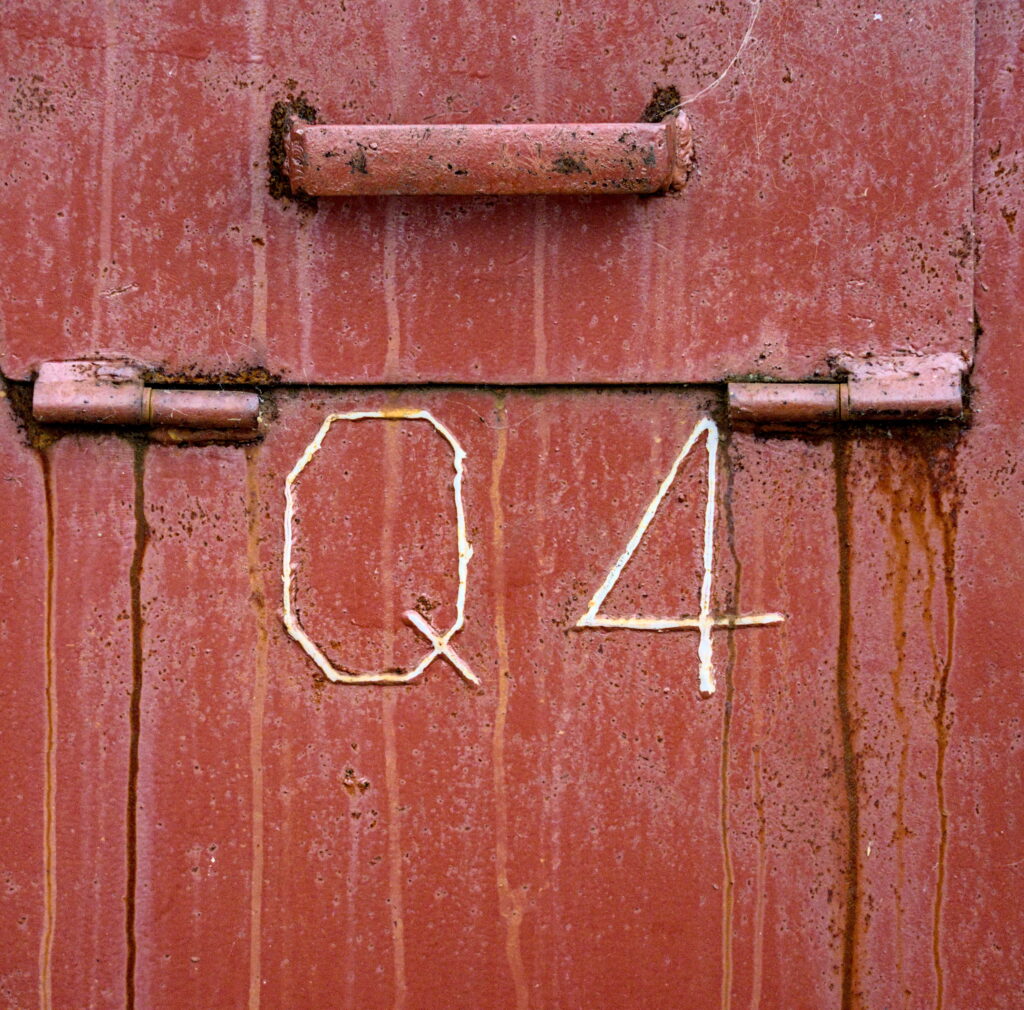
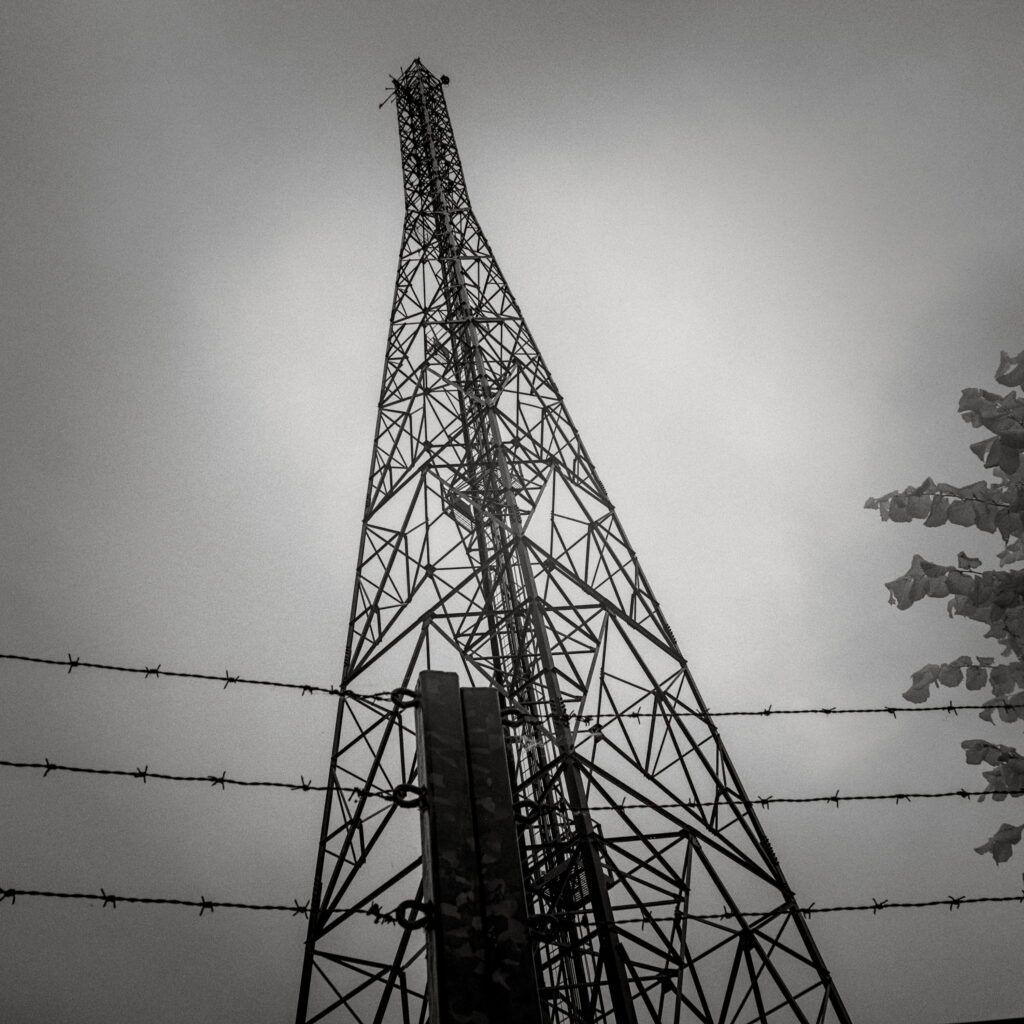
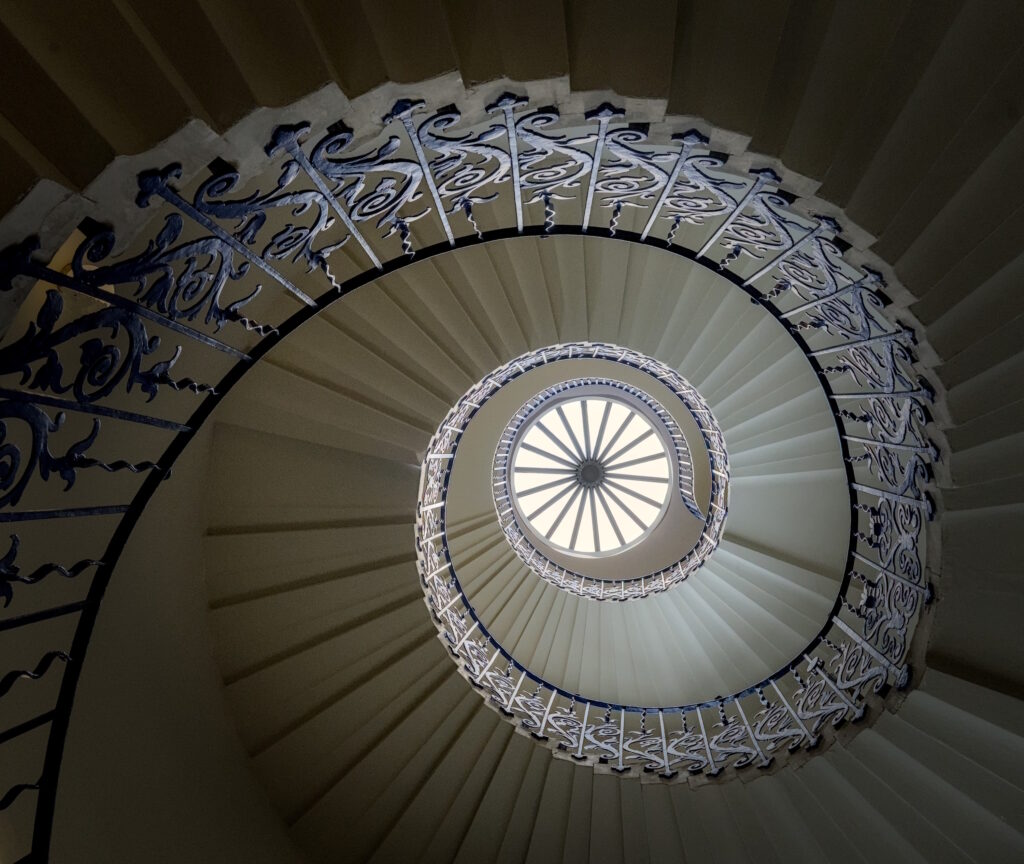


This month the Group met for our monthly in-person meeting at Oakley House for a meeting dedicated to the art of composition.
Andrew kicked off the session with a presentation on the historical development of compositional ideas using famous paintings to illustrate his talk. This is a good approach because it separates our thinking from the obvious photographic tropes we all seen and read about before.
I think everyone enjoyed learning about how compositional thinking developed through the ages as revealed through the art of painting, and how these developments heavily influenced later photographic composition. The presentation provoked some lively debate.
After the break, Steve continued the theme by talking about the importance of eye-scan. Eye-scan is the way that we move our eyes around an image as we take in the details. It’s important for photographers because it’s all about how we should compose an image to direct the viewer eye-scan within and around our images. If we can create a good “flow” around the image, it means we have a better chance of holding attention and making the image more interesting.
This is something that does not appear so frequently in photographic composition guides and the ideas were mainly developed outside photographic circles in the advertising and graphic design fields. It is also key to communication through the medium of websites and these days is an essential part of website usability testing for government website services.
Steve showed us how sophisticated laboratory eye-tracking experiments have been used to identify where viewers’ eyes travel around when they look at advertising material and how advertisers use these discoveries to optimise their designs to keep attention and eventually direct the viewer to the desired action (usually buying something!). The same principles can be used to improve your photographic composition. If you can arrange the elements in the frame to coincide with preferred eye-scan, you have a better chance of creating an interesting image that holds attention.
Key lessons are:
- Try not to direct your viewer’s attention directly from the subject to edge of the frame – that will quickly lose their interest
- Try to create a “flow” in your composition that encourages viewers to scan from a one focal point to another or preferably to circle around the point of interest for as long as possible
- A single focal point can work well, it helps reinforce the subject or message of the image. Two or more focal points can work as long as they related in some way (such as forming a triangle) that directs attention between them. Avoid creating conflicting focal points as this creates confusion, the eye doesn’t know where to look and to rest, with a resulting loss of interest
- Make use of ‘instant attractors’ like people, faces, animals to hold attention
- If you have people in your images, think about their body positions and directions of gaze – our eye-scan tends to automatically follow these, so it’s often better to have them facing where you want viewers to look, rather than away.
Thank you Andrew and Steve for the fascinating insights, and we look forward in future sessions to learning more about how composition works and the compositional techniques we can use to hold viewer interest in our photographs. The challenge (as always) is finding ways to implement these ideas in our photographs!

About the photo group
Our u3a Bromley photo group differs from most camera clubs in that we focus on sharing, enjoying and appreciating images in a non-competitive environment – no competitions! For anyone in the Bromley area who is interested in finding out more about the group, I’ll be posting articles with a personal slant about how I’m getting on with the group.
Information about our activities is available on our u3a official site page, including details of how to contact our group leader and book yourself in for free taster sessions: https://www.u3abromley.org.uk/activities-camera_club.html or you email Norman directly on normskiu3a@gmail.com.
Next meeting
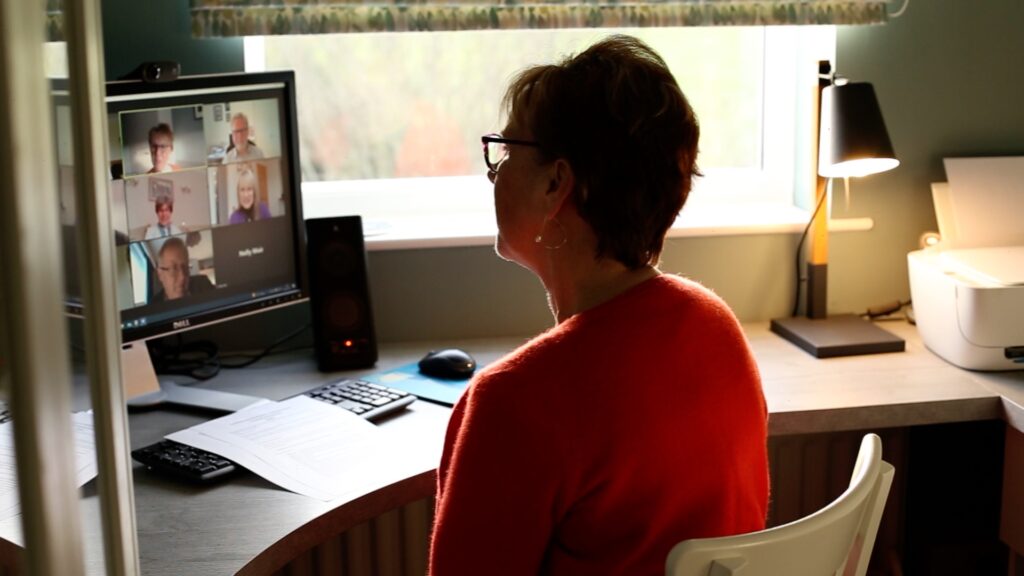
Our next meeting is an online Zoom meeting on the theme of Detail of an Object/Macro/Close Up (e.g. Part of Item of Furniture or Building; an Ornamental Element).
I’m looking forward to finding out how members interpret this theme and the analysis of contributions.
More in the next article…
Leave a Reply